
(This is my tenth post in a series of entries I’m using to participate in Blaugust for 2026.)
Ariel Gilreath wrote a recent article in The Hechinger Report on what Niagra Falls, New York is doing to prepare students for a rapidly changing career ecosystem.
Two main things they’re doing involve not always emphasizing college and starting to think about career paths as early as 9th grade.
I’ve mixed feelings about this.
As the son of an electrician and grandson of a carpenter, neither of whom used college degrees to do those lines of work, I can get behind the idea of the trades as important lifelong career paths. College was the right call for me for a lot of reasons I don’t intend to itemize here, but I’m not everyone.
As for starting looking at careers in 9th grade… Well, I started that in Jr. High. I kid you not, I frequently used a library pass during Study Hall to go and research different careers, including benefits, drawbacks, required education, and expected salaries.
I’ve always been a nerd.
I also did this at a time when the employment landscape wasn’t getting “disrupted” every few years by a techbro with a shiny, environmentally unsafe new toy.
It was over 8 years from when I latched onto art education as a career goal to when I stepped into my first classroom I could call my own. During that time there were two major changes that affected me:
- Internet use was more prevalent when I graduated, allowing me to apply to more school districts at a faster rate than what I’d have managed otherwise.
- My college requirements grew slightly more lenient, allowing me to take any elective in the humanities instead of being limited to a foreign language credit. (After taking 4+ years of French and scraping by each time, I was fine with this.)
That’s 8 years.
At the time I’m writing this, 2020 was closer today than my college graduation date was to when I entered 9th grade. Since then we’ve gone to distance everything to get everyone back into buildings. We’ve gone from Bitcoin to NFTs to the AI Bubble.
In 2017-18 Maryland’s Governor Hogan spearheaded adding Computer Science to Maryland public school requirements. I’ve mixed feelings about Hogan (I mostly dislike his constant desire to cut public school funding) but that push is why I teach a coding class.
It was added because there was significant worry that there weren’t going to be enough people entering the workforce with coding skills in the following decade.
You know … the one we’re in now.
The one where coders are getting laid off because “Vibe coding” can do the work for you, so you don’t need a team of coders any more.
I’m still teaching coding this year, but next year I might not. I’ve heard tell that the Computer Science requirement may be broadened to include the other classes I teach, and having me teach 2 different Middle School subjects is easier on the scheduling than having me teach three of them.
Employment Landscapes change, and they’re changing faster now than they used to be. I hope that some of them bounce back after the AI bubble bursts, but someone who picked Computer Science as their major 4 years ago because it was in high demand is graduating into a hellscape today.
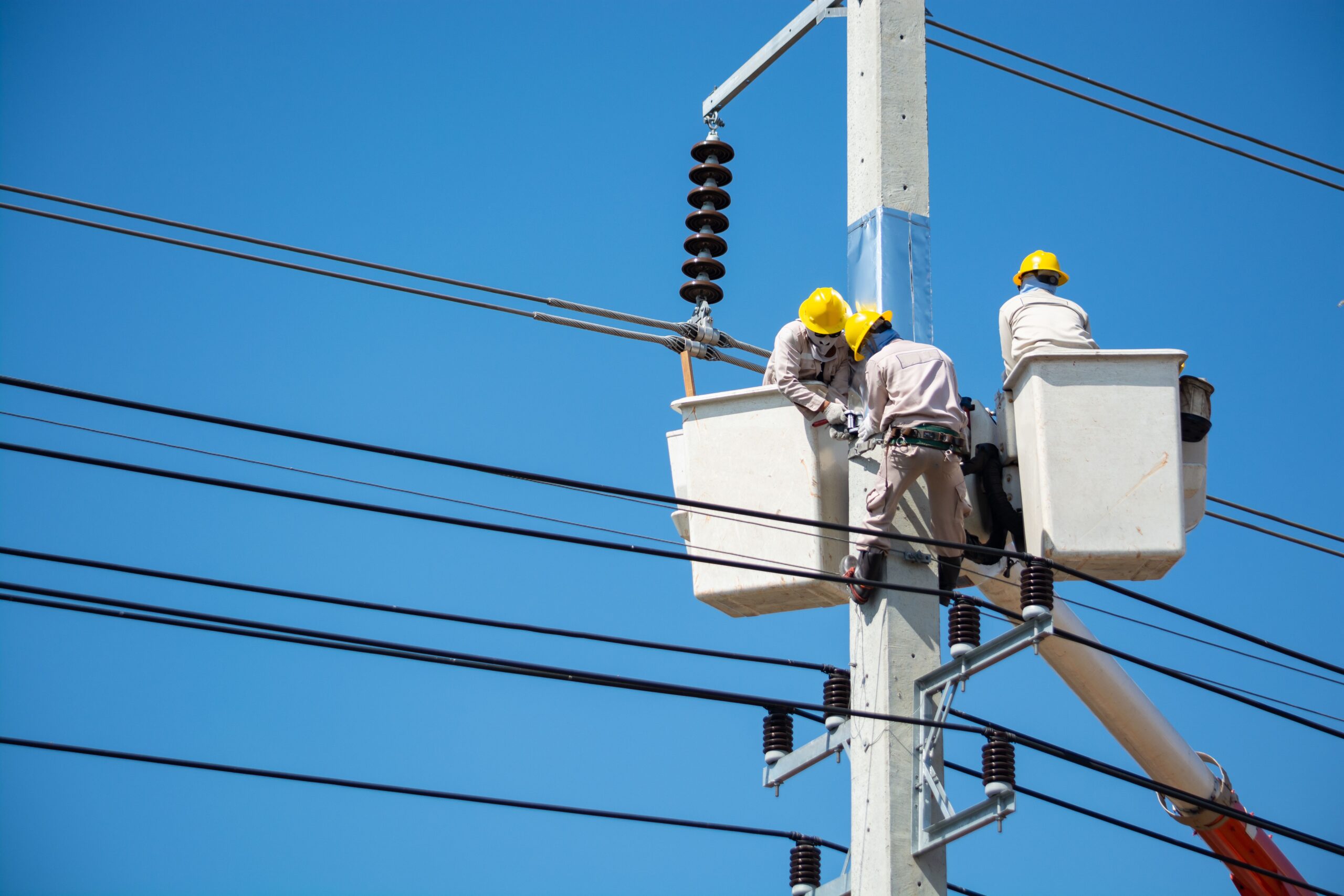
But you know what? People still need plumbing. They still need their houses wired, and faulty wires fixed. (My father wired new houses from time to time but spent much more of his time doing the small jobs that big contractors charged too much to touch.)
Going into a career that still needs training but perhaps not a college degree will get most people earning money faster while also not racking up massive debt that, legally, they can’t even clear out with a bankruptcy.
There are still people who are going to want the careers that require a degree. Future doctors, lawyers, scientists, and even, in spite of all warnings, future teachers, are all still going to head off to universities, but it’s going to be a much smaller number.
I’m absolutely thrilled that I’m not the only one tapping the “you don’t need a college degree to be financially independent” sign, but it’s going to cause problems. Not for the trades, we need people there, but for the colleges.
College is already far too expensive. Reduced enrollment is not going to help, and when some degrees see their applicants drop far enough, they’re going to go away.
My own alma mater is known as a great school for future teachers and a great school for artists. You know what you don’t need to be an artist? A 4 year degree. It’s great if you can afford it, but fewer people can and an income has never been guaranteed.
(Heck, with the teacher shortages, in some places the 4 year degree requirement’s on shaky ground.)
There are going to be changes. There’s going to be changes because of those changes.
I just hope that when the dust settles I still recognize the landscape.