
(This is my thirteenth post in a series of entries I’m using to participate in Blaugust for 2026.)
Ewen Bell is an Australian professional photographer who appeared on my radar last year when I started spending more time on PeerTube, though he has a podcast and a YouTube presence as well.
His recent video, A Long Chat About Learning The Art of Photography (Here’s the YT link, if you prefer that.), is true to its name and gives an overview of a lot of the things you may want to consider if you want to get into photography.
Given the same responsibility I wouldn’t stress all the things he does in the same amount, but if photography’s a hobby you’re thinking of diving into, there’s far worse places to start.
Mr. Bell spends a significant amount of time talking about types of gear you can use, and makes a point of bringing up phone cameras.
After all, most of us have them, they’re decent enough these days, and they fit in our pockets! Why not use them for the hobby?
There’s a saying among a lot of photographers: The best camera is the one you have on you. If what you have is a phone, that works. You can lament not having the $30k DSLR with a lens that needs its own insurance policy, or you can take a photo.
My students don’t have phones. Last year we started a school-wide phone ban, and suddenly they had to rely on lab equipment.
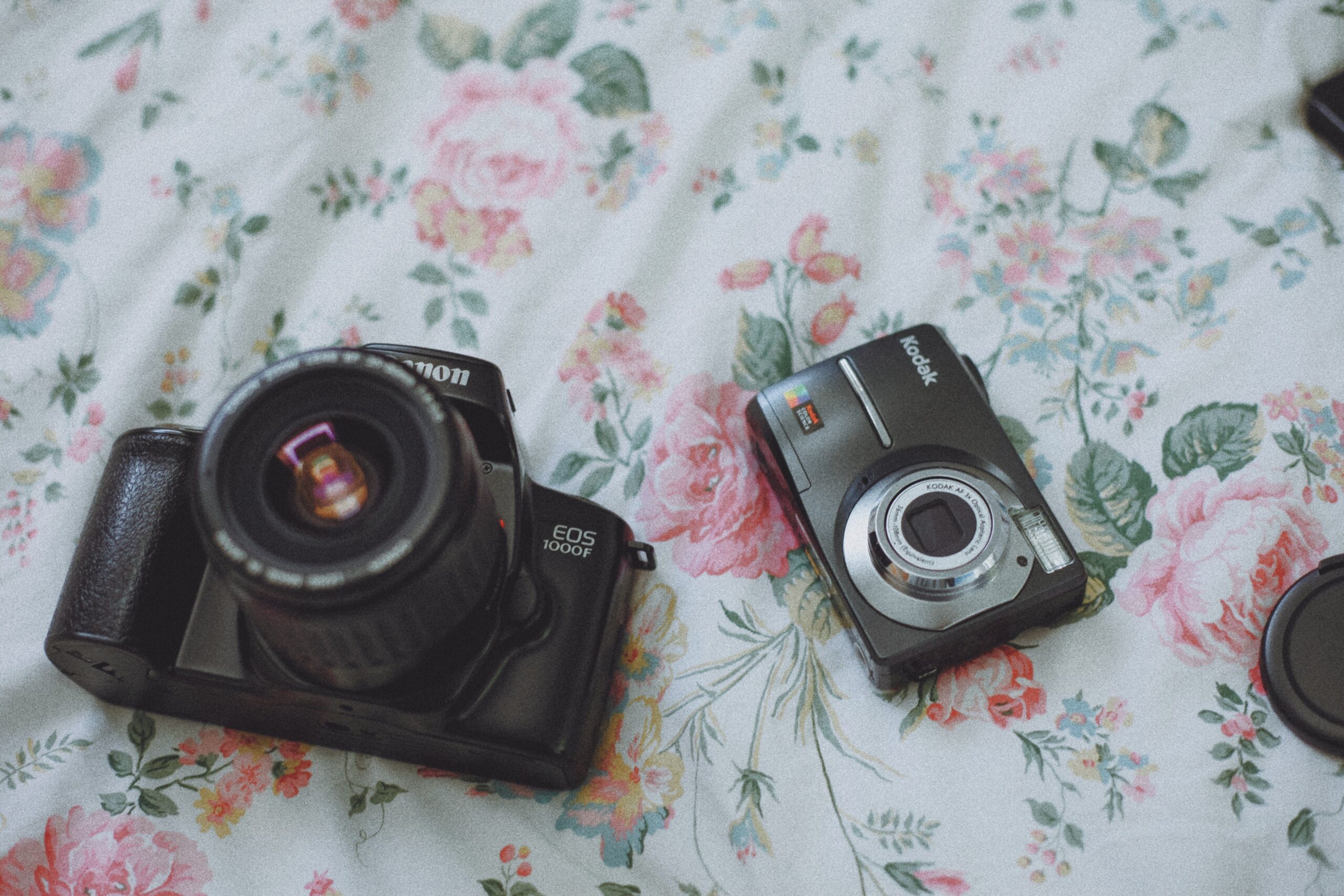
We’ve a mix of cameras, with low end but modern DSLRs, ancient but serviceable DSLRs, a handful of compact cameras, and a growing collection of bridge cameras. Because my classroom projects involve a lot of student choice, I have to ask students what they’re working on when they want to borrow a camera.
Someone trying to take photos of silhouettes is more likely to need a DSLR than someone trying to demonstrate an understanding of the Rule of Thirds, for example.
For myself, I’ve barely touched my DSLR since Summer Break started. I love it, and enjoy when there’s a good reason to use it, but it has a lot of settings to manage.
Don’t get me wrong, that’s why I bought it. I WANT it to have those settings. The downside is that when I’m using it, I’m in the mindset that has me thinking about those settings, trying to get the best photo possible.
That’s great for the results, but lousy for being THERE. I’m doing a job with the camera, not soaking in the moment.
This summer, I’ve had a few opportunities to go places and see things. Most of these involved family who live across a state border. I didn’t bring my DSLR, I brought my Camp Snap Pro.
(This isn’t an ad for Camp Snap. There’s other cameras that can fit the niche of being a compact camera built to take photos but not distract you while you use it to take photos. Some of them do a better job, some are worse. It just so happens that Camp Snap is the one I’ve been using.)
My phone will take a better photo. It has a bigger sensor (not by much), better lenses, and a not insignificant amount of software that tries to clean things up before I even see what I took, but I don’t trust it. The more my phone does to make my pictures pretty, the less the photo can be called my own.
The draw for using my phone is convenience – it’s the best camera if I have no other camera at hand.
The draw for the Camp Snap and others like it is it’s simple enough to be cheap and not a distraction from the life experiences you’re documenting.
The draw for a DSLR (or mirrorless) camera is the significant control you get over everything.
Mr. Bell spends most of his time talking about DSLR/mirrorless gear, because that’s seen as the end goal. If you’re a professional or serious hobbyist, that’s where you’re going to go, and for the most part he’s not wrong.
There’s something to be said for other paths, though. I don’t wave a finger at someone using a phone to take a photo.
I might make a face at someone using a DSLR on the Auto setting, but that’s just force of habit.